
The foundation of any successful digital transformation is the ability to maintain a reliable and structured repository for all corporate knowledge. In a fast-paced business environment, relying on legacy systems or fragmented spreadsheets can lead to significant operational risks. Transitioning to a modern architecture ensures that information remains a strategic asset rather than an administrative burden.
Establishing a professional database management strategy allows organizations to achieve a higher level of accuracy across their entire digital landscape. When data is properly indexed and stored in a centralized environment, retrieval times are minimized, and reporting becomes instantaneous. This technical efficiency empowers leadership to act on facts rather than assumptions during critical moments.
Quality control is enhanced when automated validation rules are applied to incoming information at the point of entry. By standardizing how data is collected, businesses eliminate the inconsistencies that often derail high-level analysis and strategic planning. This focus on data integrity is essential for maintaining the trust of both internal stakeholders and external clients.
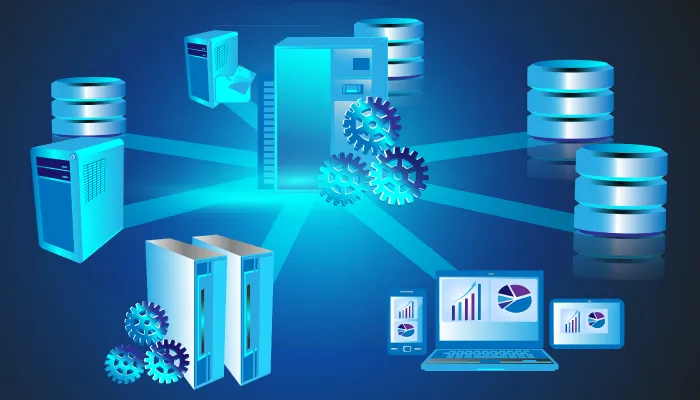
Collaborative projects thrive when team members can access synchronized datasets from any location in the world. Modern cloud-based systems provide the necessary infrastructure to support remote work while maintaining strict security protocols and access logs. This balance between accessibility and safety is a core requirement for any modern enterprise aiming for global reach.
Effective database management provides the scalability needed to handle the exponential growth of information in the digital age. As your organization expands, your systems must be capable of processing larger volumes of transactions without a decline in user experience. A robust platform ensures that your infrastructure grows in tandem with your business ambitions.
Democratizing access to technology involves providing non-technical staff with the tools they need to manage their own information workflows. By utilizing intuitive interfaces, companies can reduce their dependence on specialized IT departments for simple data tasks. This shift encourages departments to take ownership of their processes and innovate more rapidly.
Business continuity is a vital consideration that is often overlooked until a crisis occurs. Implementing automated backup systems and disaster recovery protocols within your digital framework ensures that your most valuable assets are always protected. This resilience provides peace of mind and allows the organization to focus on long-term growth and innovation.
Selecting a versatile Business database platform is a decisive step toward achieving total digital maturity. Such a solution bridges the gap between disparate software applications and creates a unified ecosystem for all business functions. Investing in the right foundation today ensures that the company is prepared for the challenges of tomorrow.
In conclusion, the sophisticated handling of organizational data is a primary driver of modern corporate value. By investing in the right management structures, companies can transform their information into a significant competitive advantage. The journey toward a more data-driven future starts with a solid foundation built on reliability, security, and accessibility.