
Data is the raw material of modern business decision-making — but like any raw material, it requires processing before it can be used. Unstructured, unvalidated, and inaccessible data is not a strategic asset — it is a source of confusion, inconsistency, and risk. Effective database management transforms raw data into organised, accessible,.
For organisations evaluating their database management capabilities, the questions to ask are both technical and organisational. Are the right people able to access the right data at the right time? Is the data accurate and consistently maintained? Are there clear ownership and governance structures for each data domain? Technical excellence in.
Data consolidation is a challenge that affects most organisations that have grown beyond their initial systems. As different departments adopt different tools over time, data about the same entities — customers, products, suppliers, employees — accumulates across multiple databases in inconsistent formats.
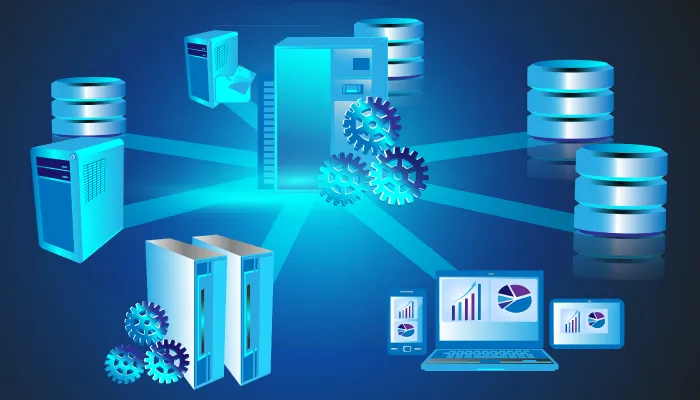
API integration is increasingly central to modern database management. Businesses no longer manage data in a single monolithic database — they work across a constellation of cloud services, SaaS applications, and internal systems that all need to share and synchronise data. Managing the APIs that connect these systems, ensuring data consistency.
An explanation of database management systems makes clear that no single database technology is optimal for all use cases. The right choice depends on the volume of data, the complexity of the queries, the frequency and pattern of updates, and the performance requirements of the applications that depend on the database.
Data archiving and lifecycle management deserve more attention in most organisations’ database management practices. Active databases that contain years of historical data are harder to maintain, slower to query, and more expensive to back up than those that contain only the data needed for current operations.
For organisations choosing a Business database platform, the vendor’s approach to compliance and data residency is increasingly important, particularly for businesses operating in regulated industries or multiple jurisdictions. Understanding where data is stored, how it is protected, what audit trails are maintained, and how the vendor supports.
Monitoring and alerting capabilities are an often-undervalued dimension of database management platform selection. Databases that can alert administrators to performance degradation, unusual access patterns, storage thresholds, or replication failures before they become critical incidents give organisations the ability to respond proactively.
Explore how the right business database platform can help your organisation manage data more reliably, efficiently, and securely. Discover features, use cases, and how to get started today at www.kintone.com/en-sea/lp/my/goodbye-hello/en This approach consistently delivers measurable improvements across organisations of every size and industry.